

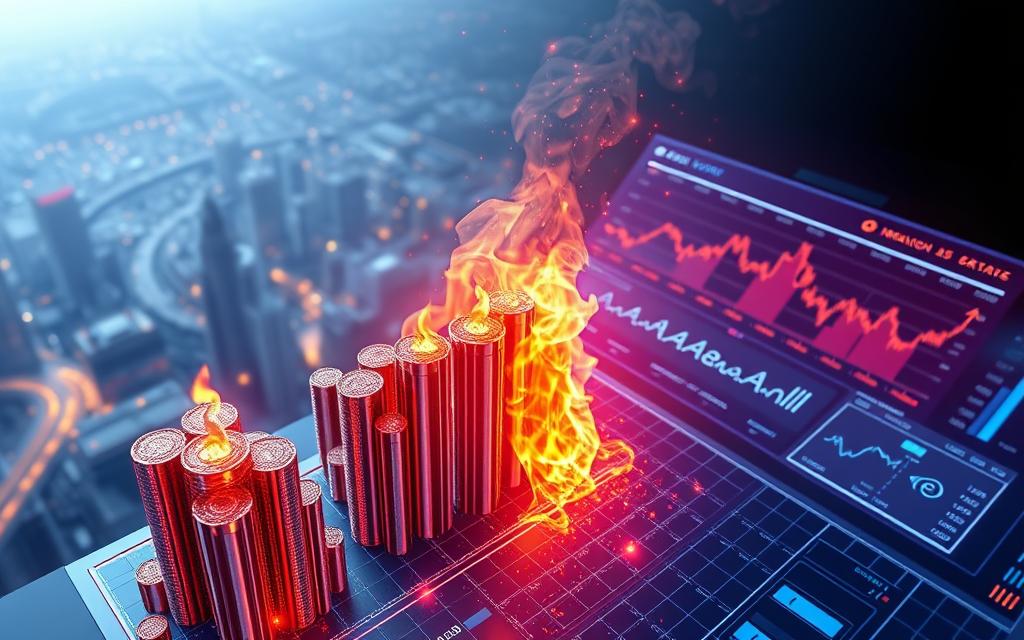
In the world of digital assets, a unique process exists. It removes tokens forever. This is called token burning. It involves sending cryptocurrency to special addresses where it can’t be recovered.
These special wallets don’t have private keys. So, the funds sent there are gone for good. It’s like destroying money, making sure it can’t come back.
The main goal is to make things scarce. By reducing the supply and keeping demand the same or increasing it, each token might become more valuable.
This introduction sets the stage for understanding more about it. We’ll look into its effects and uses in different blockchain systems.
Understanding the Basics of Crypto Burns
Crypto burning has grown a lot over time. It’s about making fewer tokens by removing them forever from use.
Definition and Core Concept of Token Burns
Token burning means sending coins to a special burn address. This address can’t be accessed, so the tokens are gone for good.
Every time tokens are burned, it’s recorded on the blockchain. This makes it clear and true that there are fewer tokens. It’s a way to make tokens scarce, not just locked up.
“Burning creates verifiable scarcity through cryptographic proof, not just promises.”
Related Posts:





Historical Context and Evolution in Cryptocurrency
At first, burning was used to help cryptocurrencies agree on things. Proof of Burn (PoB) came later as a way to save energy compared to other methods.
In PoB, miners burn tokens to get the right to mine. This way, they use resources without wasting a lot of energy. It showed that burning could do more than just reduce supply.
| Time Period | Primary Use Case | Notable Development |
|---|---|---|
| Early 2010s | Consensus Mechanisms | Proof of Burn implementation |
| Mid 2010s | Supply Management | Regular burn events introduction |
| 2020s | Multi-purpose Tool | Integration with DeFi and governance |
Now, projects use burning for many things like lowering fees, voting, and rewarding the community. The use of burning keeps growing as new ideas come up in finance.
How Crypto Burns Work: The Mechanisms
Crypto burns are key to managing token economics. They follow a clear process to ensure everything is open and verifiable on the blockchain.
The Process of Token Destruction
Token destruction starts with a team or community decision. They pick tokens to remove and send them to a burn address.
These addresses are public but can’t be accessed. They remove tokens forever. Projects share transaction hashes to prove the burn.
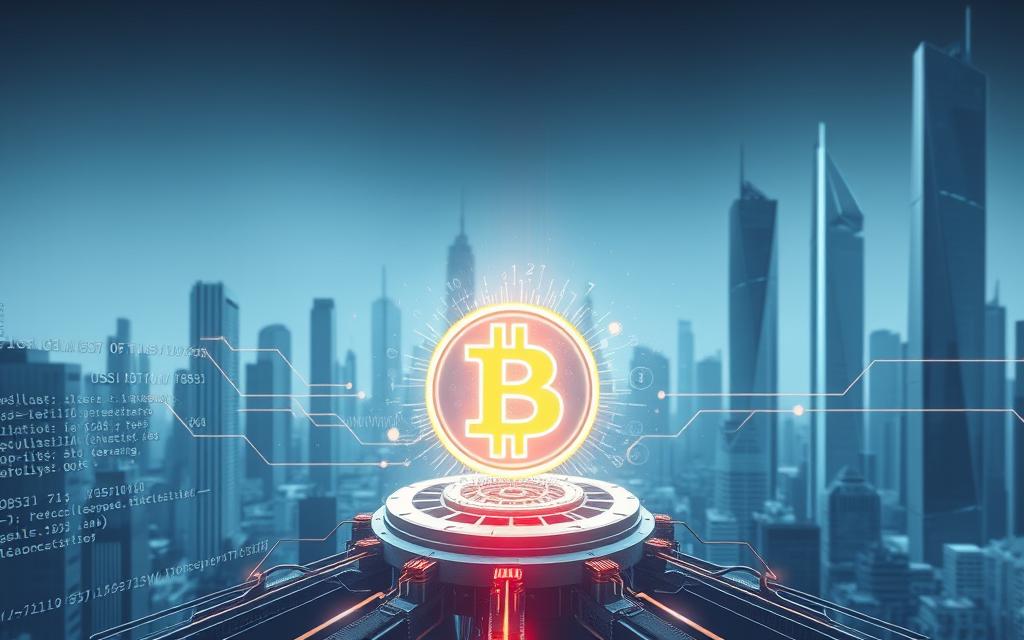
Automated burns use smart contracts that run on their own. They burn tokens based on set rules like volume or time.
This method keeps the supply steady and trustworthy. It avoids mistakes and builds confidence.
Manual Burns Conducted by Development Teams
Manual burns are done by the team on purpose. They happen during special times or strategic decisions.
Though they need more watching, manual burns are flexible. They let projects adjust supply based on market needs.
Types of Burns: Scheduled vs. Event-Based
Scheduled burns happen at set times, making supply changes predictable. Projects tell investors when to expect these changes.
Event-based burns happen when certain goals are reached. This could be price levels, volume, or project milestones.
Both types have their uses. Scheduled burns keep things steady, while event-based burns celebrate and excite.
Examples of Crypto Burns in Major Projects
Many big cryptocurrency projects have used token burning to cut down supply. These examples show how different projects tackle this challenge. They use various methods to reduce the number of tokens in circulation.
Binance Coin (BNB) and Its Quarterly Burn Events
Binance Coin has a well-known burn program. The exchange burns BNB tokens every quarter. This is a key part of Binance’s plan for its tokens.
BNB’s burns are based on trading volume and profits. This makes BNB’s value go up over time. The regular burns also help investors know what to expect.
Shiba Inu Token Burns and Community Initiatives
Shiba Inu uses community efforts for burning tokens. It encourages people to burn tokens through special platforms or transactions. This gets more people involved.
Shiba Inu has both manual and automatic burning systems. Some burns come from transaction fees, while others happen at special times. This shows how flexible burning can be in meme tokens.
Other Notable Implementations in the Market
Other projects have also done big token burns. The Stellar Development Foundation destroyed 55 billion XLM tokens. This changed how XLM is distributed and aimed to make it more sustainable.
TRON burned 1 billion tokens to celebrate its mainnet launch. This shows how token destruction can be used for both practical and celebratory reasons. Other cryptocurrencies are also trying new ways to burn tokens.
These examples show token burning’s role in cryptocurrency economics. From set schedules to community efforts, burning is becoming a key part of digital assets.
The Economic Theory Behind Supply Reduction
The strategy of crypto burns uses basic economic rules that have shaped markets for ages. It goes beyond just crypto, using old economic ideas to make digital assets scarcer.
Scarcity Principles and Their Impact on Value
Supply and demand is a key economic rule. When a crypto project burns tokens, it cuts down the number of tokens out there.
If demand stays the same or goes up, this scarcity pushes token prices higher. It’s like how rare things like gold keep their value because they’re hard to find.
This can lead to value appreciation if burns happen when more people start using the tokens. Projects plan burns to make this effect stronger when the network is busier.
Effects on Market Capitalisation and Token Metrics
Token burns change how we look at market capitalisation. Market cap is the price times the number of tokens out there. Burns can affect this in different ways.
If the token price doesn’t change right after a burn, the market capitalisation goes down. But, the reduced supply usually makes prices go up over time. This can lead to a bigger market cap in the end.
Other token metrics also see big changes:
- Token holder percentages increase as supply decreases
- Price-to-earnings ratios may improve for utility tokens
- Network security can strengthen through increased token value
These changes often help keep value appreciation going even after the burn.

The economic base of crypto burns shows how old market rules work for digital assets. This smart reduction in supply helps tokens grow in value over time. It keeps the token ecosystem balanced.
Benefits of Implementing Crypto Burns
Token burn strategies have many advantages. They go beyond just reducing supply. These benefits create a positive cycle that boosts a cryptocurrency project’s ecosystem and market standing.
Potential for Price Appreciation and Gains
Token burns can quickly increase a project’s token value. By cutting the supply, they create scarcity. This can make the token more valuable.
This works like basic economics. Less supply means more demand. Long-term holders see their tokens’ value go up.
Enhancing Investor Confidence and Project Credibility
Regular, open burn events show a project’s dedication to its tokenomics. This builds trust with investors. They see real actions behind promises.
Projects that stick to their burn plans show discipline and vision. This is key when the market is down.
“Token burns represent one of the few measurable commitments a project can make to its community.”
Fostering Community Engagement and Trust
Burn events are community highlights that spark interest and talk. Many projects use community feedback in their burns. This makes the community feel involved.
Being open about burn amounts and methods builds trust. It shows real action. This turns passive holders into active supporters of the project.
The scarcity also makes people want to hold onto their tokens. This helps keep the token’s price steady during ups and downs. It strengthens the project’s base and market position.
Risks and Criticisms of Crypto Burns
Token burning has its benefits, but it also has downsides. It’s important to look at both sides.

Concerns Over Market Manipulation and Speculation
One big worry is market manipulation. Some might use burns to make prices look better than they are. This can lead to short-term gains without real value.
Those who know about these events ahead of time might profit unfairly. This can hurt investor confidence by making it seem like a game.
The European Securities and Markets Authority has spoken out in their report on crypto assets. They point out how some practices could harm the market.
Sustainability Issues and Long-Term Viability
Another issue is whether burns are sustainable. Burns can’t fix weak projects or poor development.
Projects that only use burns might see prices go up briefly. But this doesn’t solve the long-term problems. It raises questions about their lasting value.
Investor confidence comes from projects that grow and improve over time. The market is starting to see that burns should help, not replace, good project development.
In conclusion, token burns can be useful, but they need to be part of a bigger plan. They should support strong project strategies and real-world use.
Future Trends in Token Burn Strategies
The world of token burn strategies is changing fast. It’s moving beyond just cutting down supply. Now, projects are looking at more complex ways to burn tokens, right at the heart of their systems.
Innovations in Burn Mechanisms and Technology
Future burn methods will likely use smart contracts for more automation. These smart contracts can set off burns automatically, based on certain rules, without needing a person to do it.
Some new ideas include:
- Transaction-fee burning built right into blockchain rules
- Burn rates that change based on market data
- Protocols for burning tokens across different chains
These new techs aim to make things clearer and more reliable for those investing.
Regulatory Considerations and Compliance
As crypto markets grow, so does the watchful eye of regulators. Projects need to be careful with their burn strategies, making sure they follow the law.
Important things to keep in mind include:
- Telling regulators about burn events clearly
- Being open to avoid any wrong impressions
- Following laws about managing token value
Staying on the right side of the law is key for lasting burn plans. Projects that are open and honest are more likely to get approval and trust from investors.
Conclusion
Crypto burns are a way to cut down on tokens in a blockchain. They help fight inflation and might make tokens more valuable. When done right, they can make investors more confident and trust the project more.
But, crypto burns alone can’t make a project successful. They work best when part of a strong plan for growth and use. For example, Binance Coin and Shiba Inu show how burns can get people involved. But, a project needs more than just burning tokens to last long.
The world of crypto is always changing. Burns will evolve with new rules and tech. A good blockchain uses burns as one of many ways to build trust and increase value. This way, burns help, not just replace, the project’s core strengths.
FAQ
What is a cryptocurrency burn?
A cryptocurrency burn is when tokens are removed forever by sending them to a public wallet. This wallet has no private key, making the tokens gone for good. It reduces the total supply, aiming to make the remaining tokens more valuable.
How does a crypto burn work technically?
It works by sending tokens to a “burn address” that’s public but has no private key. This transaction is recorded on the blockchain. It’s permanent, so the tokens can’t be brought back.
What is the purpose of burning cryptocurrency tokens?
The main goal is to make tokens scarcer by reducing the number in circulation. This can make the remaining tokens more valuable if demand stays the same or grows. It also fights inflation, builds trust, and shows a project’s dedication to its tokenomics.
Are there different types of token burns?
Yes, there are two main types. Scheduled burns happen at set times, like Binance Coin’s quarterly burns. Event-based burns happen when a project hits a milestone, like reaching a trading volume goal.
Can you give examples of major projects that use token burns?
Sure. Binance Coin (BNB) burns tokens every quarter. Shiba Inu has community-led burns. Stellar Development Foundation and TRON also have notable burn events to manage supply.
How does burning tokens affect market capitalisation?
Burning tokens can make a token’s price go up if demand stays the same. This can increase the project’s market value. But, it depends on the market and how investors feel.
What are the risks associated with token burns?
There are risks like being seen as market manipulation. Burns can artificially raise prices. There’s also worry about long-term success if burns don’t match real growth or utility.
How might regulatory developments impact token burn strategies?
New rules could make burns more transparent and legal. Projects might need to show burns are fair and follow laws. This could mean clearer rules for cryptocurrency burns in the future.
What role do smart contracts play in automated burns?
Smart contracts make burns automatic by following set rules without human help. For example, they can burn a part of transaction fees. This makes the process clear, consistent, and efficient.
How do token burns influence investor confidence?
Clear and fair burns can make investors trust a project more. It shows the project is managing its tokens well and aiming to add value. This can attract investors for the long term.
